TIMES ARE CHANGING
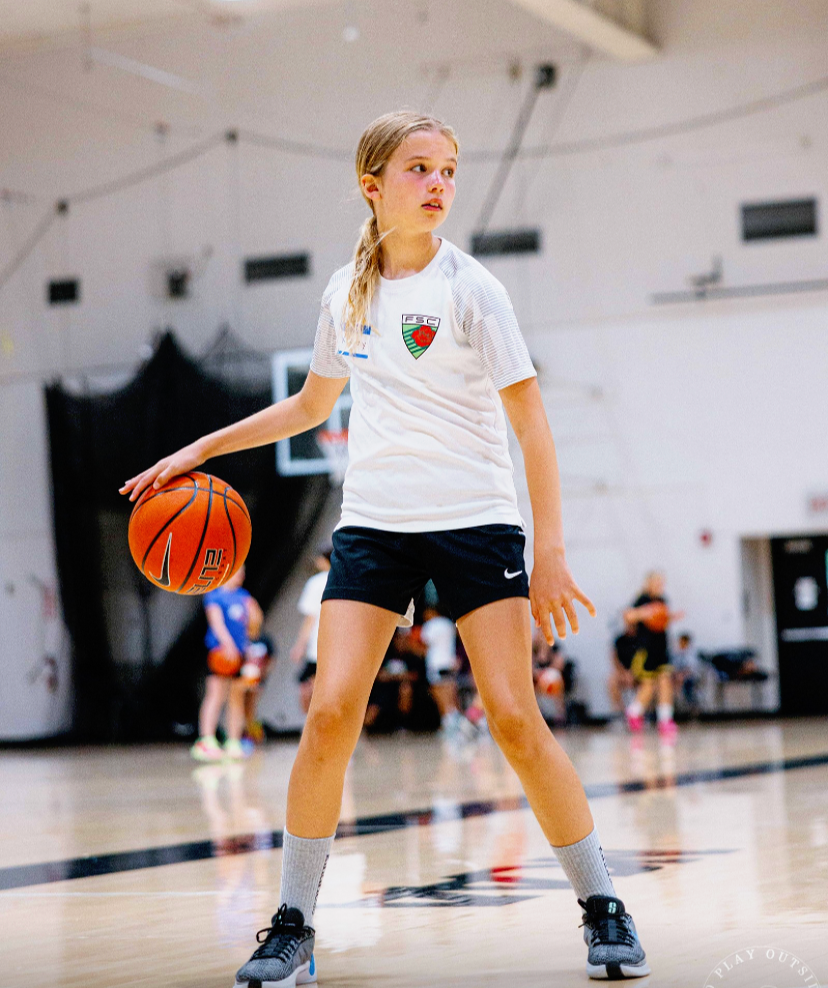
In recent years, we’ve seen an explosion of support for women’s sports. Female athletes are filling stadiums, breaking records and building brands, and have more support for their health, performance and wellbeing than previous generations did.
And, we still have work to do — especially for female middle school and high school athletes who aren’t getting the attention or resources that their male counterparts do.
Consider strength and conditioning training.
In many schools, male athletes still do more strength and conditioning than females. Research has found that fewer than 10% of high school female athletes are required to strength train for their sport, compared to 50% of male athletes. Another study found that male athletes were more likely to strength train year round and do more training sessions per week than females.
Blame persisting stereotypes, outdated thinking or a lack of resources. Whatever the reason, the outcome is clear: young female athletes aren’t doing strength and conditioning work early enough or often enough.
And that means they’re missing a crucial component that can help them stay healthy, perform better and stand out among their peers.
Building a Stronger, More Resilient Female Athlete
At Strong for Sport, we help female athletes get stronger, build confidence and improve their performance.
Through personalized strength and conditioning programs, we work on mobility, strength training, plyometrics and functional core exercises that help athletes reach their goals and prepare their body for the undeniable stress of their sport (or sports).
In our encouraging, growth-focused gym, we invite our athletes to be loud, sweat hard and take up space so they can discover just how much they’re capable of.
WHY IT MATTERS
When female athletes make time for strength and conditioning, movement feels smoother. Competition gets easier. Recovery happens faster. And everything they do in the gym translates to improvement on the court, track or field.
A well-rounded program can help youth athletes:
Build Strength
Develop a More Resilient Body
Increase Speed, Power and Agility
Beyond those big wins, female athletes who strength train at Strong for Sport also learn how to take up space, get outside their comfort zone, create healthy habits and build confidence that changes their game.
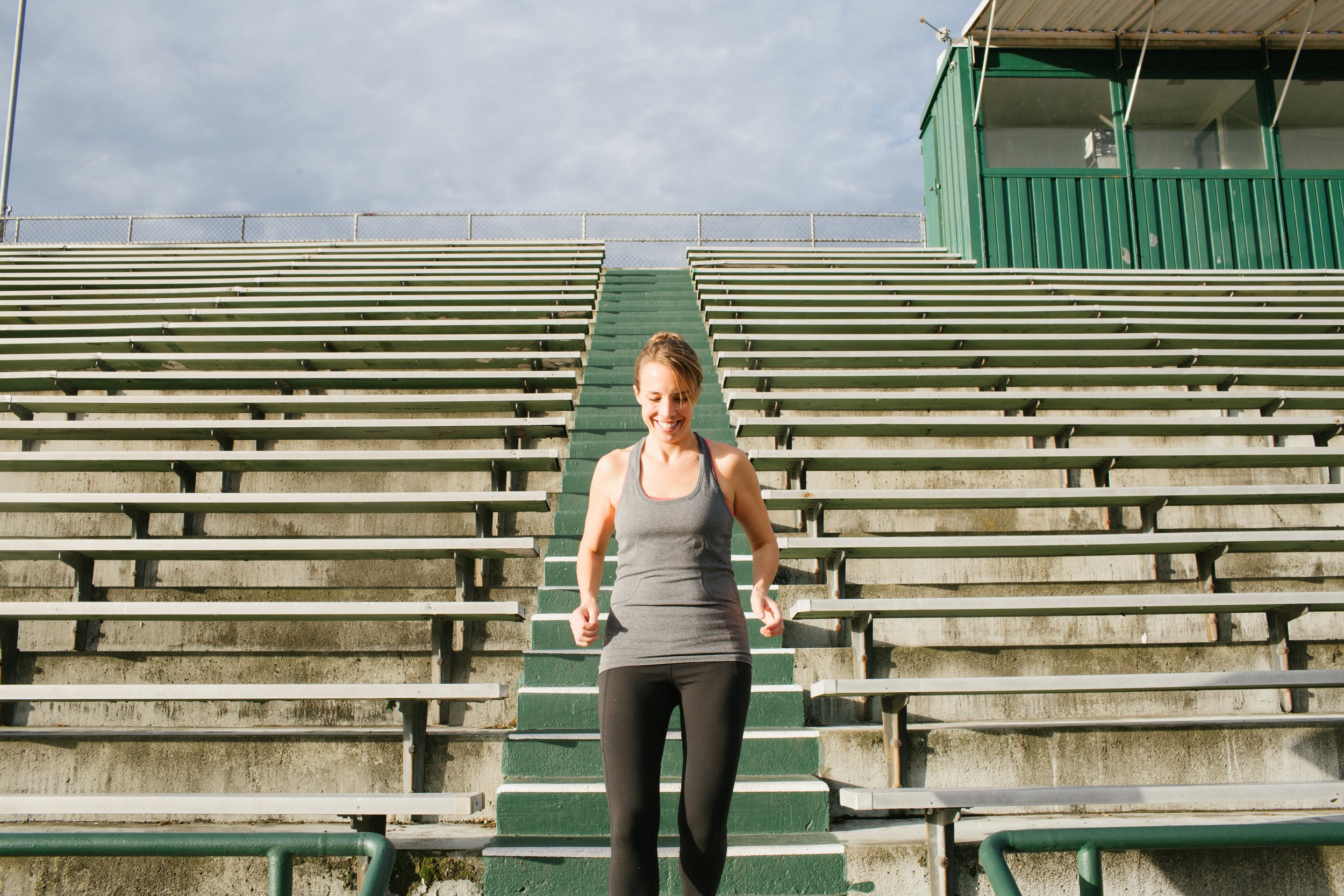
Meet Ashley, Founder and Trainer
Ashley Gartland grew up in the Pacific Northwest and has been an athlete her entire life. She played soccer, tennis, softball and basketball and was on her high school track and cross country teams. She started strength training in high school and never stopped.
As a certified personal trainer and the founder of Strong for Sport, Ashley helps female middle school and high school athletes protect themselves from injury and get stronger, faster and more resilient. She also trains adult women who want to get in shape, age well and build strength for life.
In her spare time, Ashley enjoys hitting the weight room, coaching her daughters' basketball teams, and spectating at their many sports.